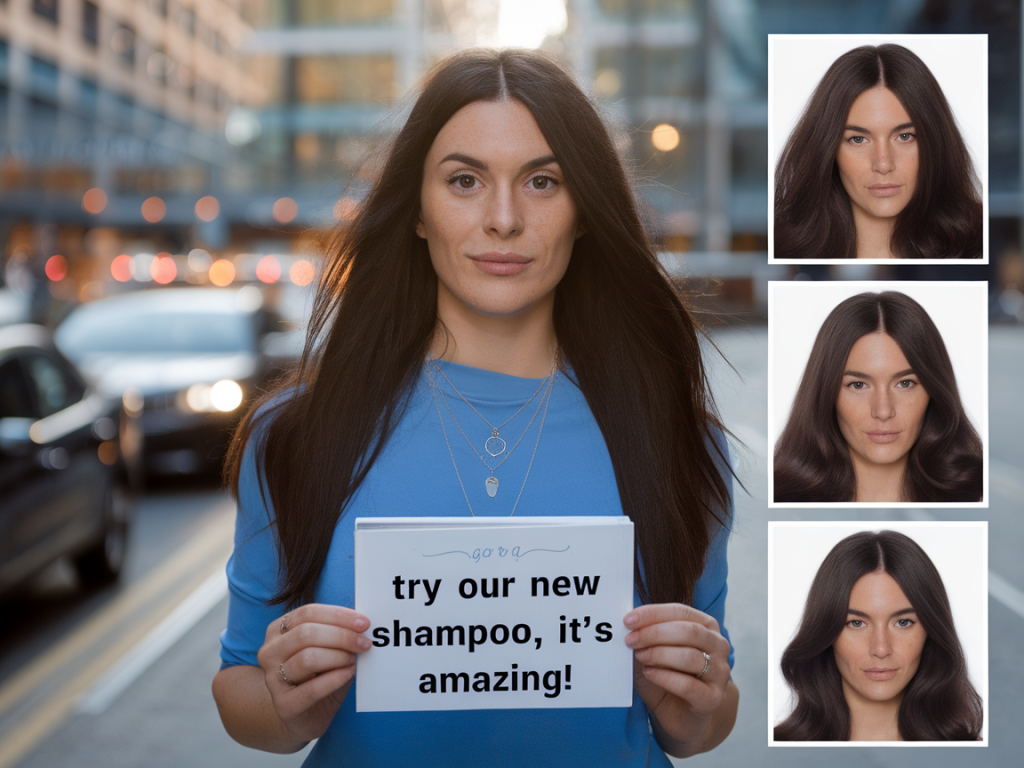
I run small-scale influencer programs for clients and for Socialmeidanews, and over time I've refined a simple, repeatable approach that works when budget is the constraint rather than an afterthought. Micro-influencers (typically 1k–50k followers) offer high engagement and niche reach — but they require more hands-on management than celebrity partnerships. Below I’m sharing the exact framework, practical templates, and budgeting guidance I use to launch successful micro-influencer campaigns without breaking the bank.
Why micro-influencers are the right choice on a tight budget
Micro-influencers punch above their weight. Their audiences tend to be more engaged and trusting, with higher comment-to-follow ratios and better conversion rates on niche products. For a modest spend you can work with multiple creators across diverse communities, test messaging quickly, and optimize based on real-world performance. I prefer them when the goals are awareness in niche segments, driving user-generated content (UGC), or acquisition on a cost-per-action basis.
Set clear, realistic goals before outreach
Decide what success looks like and align deliverables to that goal. Here are the most common campaign objectives and the metrics I track:
- Awareness: impressions, reach, follower lift.
- Engagement: likes, comments, saves, engagement rate (ER).
- Traffic: link clicks, landing page sessions, UTM-tagged visits.
- Conversions: coupon redemptions, purchases (use unique codes).
- Content library: amount and quality of UGC secured for paid ads or organic reposts.
On a tight budget you should pick one or two primary KPIs. Trying to move everything at once spreads resources too thin.
How I find the right micro-influencers (fast)
I use a mix of manual search and low-cost tools to build a shortlist:
- Platform search: Instagram and TikTok tags related to your product category, location, or niche hashtags. Look for creators with consistent posting cadence and authentic captions.
- Competitor lookalikes: see who’s already engaging with similar brands — those creators are already interested in the category.
- Micro-influencer platforms: Heepsy, Upfluence, or BuzzSumo offer free tiers or inexpensive one-off reports that speed up discovery.
- Creator communities: local Facebook groups, Reddit threads, or Discord channels can surface passionate smaller creators who are open to collaboration.
When scouting I pay attention to: authenticity of followers (spot bot-like comment patterns), content production quality, and how the creator communicates with their community.
Outreach that converts (template I actually use)
Cold DMs perform well if they’re personalized. Here’s a short template I send and tailor per creator:
- Greeting + quick compliment: “Hi [Name] — love your recent reel about [topic].”
- Why they’d care: “We’re launching [product/offer] and think your audience around [niche] would resonate.”
- Offer and ask: “We’re running a short collaboration — paid [$X] + free product / affiliate code. Are you open to a 1–2-post campaign in [dates]?”
- Optional CTA: “If you’re interested, I can send a short brief and examples.”
Keep messages under 100 words and always reference a specific post or story to show you did your homework.
Compensation models that stretch limited budgets
There’s no single right way to pay micro-influencers. Mix models based on creator size and motivation:
- Flat fee + product: The baseline for creators who make polished content.
- Product-only: Works with hobbyist creators or if the product has strong enthusiast appeal.
- Performance-based: Affiliate links or commission for sales. Best for conversion-focused campaigns.
- Tiered offers: Lower fixed fee plus bonuses for hitting performance thresholds (e.g., +$50 if sales > 20 units).
Be transparent. If you need UGC rights, offer additional compensation or a clear benefit (attribution, portfolio usage). On low budgets I aim to average total cost per creator in the $100–$500 range, adjusting for niche and production quality.
Simple brief template I use with creators
Make the brief short and permission-friendly. Here’s what to include:
- Campaign goal and primary KPI.
- Deliverables: number/type of posts (Instagram feed reel, 30s TikTok, 3 stories), key messages, mandatory lines or hashtags.
- DOs and DON’Ts (e.g., no price claims, avoid certain claims about health or safety).
- Timeline and posting window.
- Compensation and UGC usage rights.
- Reporting expectations (screenshots, post links) and payment schedule.
Track performance without expensive dashboards
You don’t need enterprise analytics to measure success. I track results with a simple spreadsheet and a few tools:
- UTM links for landing page traffic (Google Analytics).
- Unique coupon codes or affiliate links to attribute sales.
- Creator screenshots for reach and engagement when platform analytics aren’t accessible.
- Short weekly check-ins to collect live performance and pivot if needed.
Budget example — a 10-creator campaign
| Line item | Unit cost | Qty | Total |
|---|---|---|---|
| Creator base fee | $150 | 10 | $1,500 |
| Product cost (samples) | $25 | 10 | $250 |
| Ad boost for top posts | $50 | 3 | $150 |
| Management / outreach | $300 | 1 | $300 |
| Total | $2,200 |
This structure gives broad reach across 10 creator communities and reserves a small ad budget to amplify the best-performing content.
Creative prompts that work
Give creators freedom but provide hooks that drive performance. I use prompts like:
- "Show how you actually use this in your daily routine" — drives authenticity.
- "Before/after or transformation" — excellent for visual products.
- "My honest review in 60 seconds" — invites critique and builds trust.
- "Create a how-to or tip using our product" — positions product as useful, not just pretty.
Scaling and optimization mid-campaign
After the first week, I rank creators by cost-per-click or cost-per-sale. I reallocate remaining budget to top performers and consider doubling down with a paid ads push on their best posts. I also repurpose high-performing posts into paid ad creative — this saves production costs and leverages content that’s already resonated.
Common pitfalls I avoid
- Over-specifying creative: kills authenticity.
- Not tracking attribution: you’ll wonder which creator drove results.
- Small sample size: one creator’s flop isn’t the category; work with several to find patterns.
- Expecting viral results overnight: micro campaigns compound; plan for multiple waves.
If you want, I can draft outreach messages tailored to your brand voice, select a shortlist of creators based on your niche, or build the exact brief and UTM links you need to launch in two weeks.