I monitor community conversations every day, and one pattern that always sets off an alarm bell for me is coordinated inauthentic behavior (CIB) in the comments beneath posts. It’s not just a moderation headache — CIB can distort perception, amplify false narratives, and damage a community’s trust. Below I share how I spot it, the lightweight checks I run, tools I use, and what I do next when I find it. This is practical, field-tested guidance you can apply to forums, Facebook posts, Instagram, YouTube, Reddit threads, or any platform with comments.
What I mean by coordinated inauthentic behavior
When I say coordinated inauthentic behavior, I’m referring to groups of accounts that act together to manipulate a discussion while hiding their true purpose or connections. That can include astroturfing (fake grassroots support), brigading (mass downvotes/comments), sockpuppets (multiple accounts run by the same actor), or networks that amplify disinformation. The common thread is coordination and deceptive intent.
First glance: quick red flags I look for
When I land on a thread, I do a 60–90 second scan for obvious signals. Those quick checks are cheap and often reveal the pattern before I dive deeper:
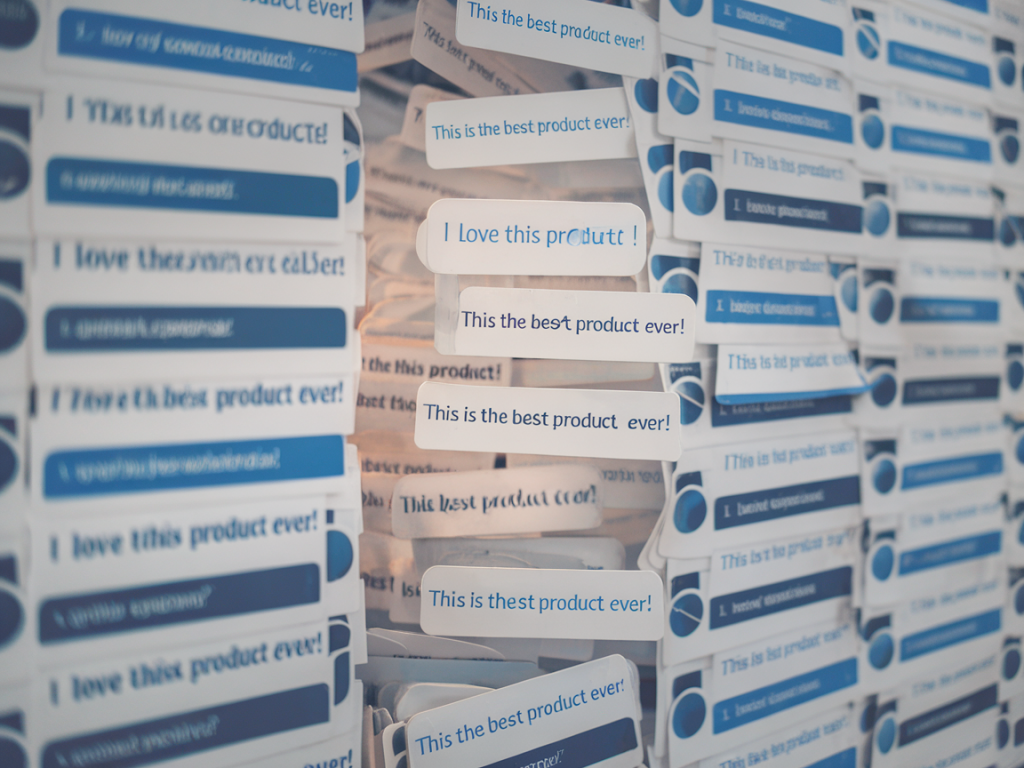
- Repeat phrasing: multiple comments repeating nearly identical language, URLs, or hashtags.
- Timing clusters: a sudden spike of comments posted within minutes of each other.
- Account freshness: many profiles created recently, lacking profile photos, bios, or diverse activity.
- Profile similarity: similar usernames, same avatar styles, or bios that read like templates.
- Echo amplification: replies that boost a narrative by copy-pasting the same talking points.
- Off-topic brigading: comments that derail the conversation or push political/product messaging irrelevant to the post.
Deeper checks I run when red flags appear
If the initial scan suggests coordination, I apply a series of deeper, but still fast, investigative steps. I try to be methodical so I don’t mistake a passionate community consensus for coordinated manipulation.
- Map timestamps. I export or screenshot comment timestamps to visualize bursts. Authentic engagement usually spreads over time; coordinated attacks cluster tightly.
- Compare language. I copy 10–20 suspicious comments into a text editor and run a quick check for repeated phrases or identical punctuation. Small copy-pastes are telling.
- Profile stomping. I open several suspicious accounts and check posting history across the platform. Are they only active on one topic or one account posting the same content everywhere?
- Mutual interactions. I check whether the accounts frequently like, follow, or reply to each other — public reciprocity can indicate a network.
- Cross-platform trails. I search for the same messaging on Twitter/X, Telegram, Reddit, or in Google results. Coordination often spans channels.
Tools and techniques I recommend
You don’t need enterprise software to do useful analysis, but a few tools speed things up:
- Spreadsheet or Google Sheets — for timestamp mapping and tracking account attributes.
- Social listening tools like Brandwatch, Meltwater, or Mention — useful for cross-platform pattern detection if you have access.
- Browser extensions — extensions like CrowdTangle (for Facebook/Instagram public pages) or Botometer (to get a sense of automation likelihood) provide quick signals.
- Reverse image search — to detect stock avatars or reused profile photos across accounts.
- Scripting basics — if you can run a simple Python or Google Apps Script, you can pull comment data and run frequency analyses to find repetition or synchronized activity.
How I distinguish coordination from genuine engagement
Two things help me avoid false positives: context and diversity.
- Context. Is there an external event (breaking news, product launch) that explains rapid, similar responses? Correlation with a real-world event can make clustering benign.
- Diversity in accounts. Genuine engagement tends to come from accounts with varied histories and multi-topic activity. Homogenous, single-topic accounts are suspicious.
When in doubt, I collect evidence and let time and additional signals clarify the pattern — many campaigns expose themselves further after an initial wave.
Immediate actions I take when I confirm coordination
Once I’ve gathered enough evidence that the activity is coordinated and inauthentic, I follow a tiered response depending on severity.
- Remove or hide content that clearly violates platform rules (spam, harassment, explicit misinformation) if I have moderation rights.
- Block and ban accounts that are demonstrably sockpuppets or part of the network — and document why for audit trails.
- Label the pattern publicly in a calm, factual tone if it’s affecting community perception. For example: “We’re seeing coordinated comments promoting X. Please rely on verified sources.” Transparency builds trust.
- Report to the platform with evidence (screenshots, timestamps, exported lists). Platforms vary in responsiveness, but clear, documented reports are far more effective than ad-hoc claims.
- Alert stakeholders. If the attack targets a client, influencer, or brand, I notify them immediately with a summary and proposed next steps.
Longer-term prevention and resilience
Stopping CIB isn’t only about takedowns. I focus on making the community more resilient:
- Clear commenting policy — Publish rules that define acceptable behavior and explain consequences for manipulation.
- Onboarding and education — Periodically remind your community how to spot and report inauthentic behavior.
- Rate limits and moderation queues — Use platform features to throttle first-time commenters or require moderation for links and repeated posts.
- Trusted commenter badges — Highlight long-standing, verified contributors so readers can quickly see credible voices.
- Ongoing monitoring — Schedule regular checks after high-risk events (product launches, political moments) and use automation where possible to flag anomalies.
When to escalate beyond your team
Some situations need external help. I escalate when:
- There’s evidence of a coordinated network originating from a malicious actor or foreign influence operation.
- The campaign includes doxxing, threats, or targeted harassment that puts people at risk.
- A brand or organization is undergoing reputation damage that could affect commercial or legal standing.
In those cases I contact platform safety teams, legal counsel, and sometimes third-party forensic analysts who specialize in network mapping.
Examples I’ve seen — and what they taught me
One memorable case involved a product launch where dozens of newly created accounts posted the same short review praising a brand. The language, timestamps, and identical calls-to-action made the pattern obvious. We removed the comments, tightened the moderation queue, and published a transparent note to our community explaining why. The quick, measured response stopped the narrative before it could gain traction.
Another time, a politically motivated group attempted to hijack a comedy page with coordinated attacks. Because we monitored cross-platform signals, we caught the campaign as it migrated from a Telegram channel to multiple Facebook pages and were able to report with comprehensive evidence, which resulted in several removals by the platform.
If you manage a community, don’t assume coordination is rare — it’s a recurring strategy used by actors with all kinds of motives. The good news is that a combination of quick heuristics, simple tools, and clear processes makes detection and response manageable. If you want, I can walk you through a checklist or a Google Sheet template I use to map suspicious comment activity — just ask.